Artifact 1: Work Breakdown Schedule & GANTT Chart
Created for EDIT 7550E: Management of Instructional Technology Project
This Work Breakdown Schedule was used for a project on which I served as Project Manager. We were a small instructional design team tasked with transforming a static training roadmap into an interactive, role-specific job aid for the University of Georgia Extension OLOD office. The essential task was to convert a dated PDF into a user-friendly, visually intuitive, and accessible resource that could be used internally and externally to guide Extension Agents through the anticipated professional development tract available to them. My first major task as PM was to build a detailed work breakdown structure and GANTT chart that would keep all parts of our work organized, aligned, and realistic.
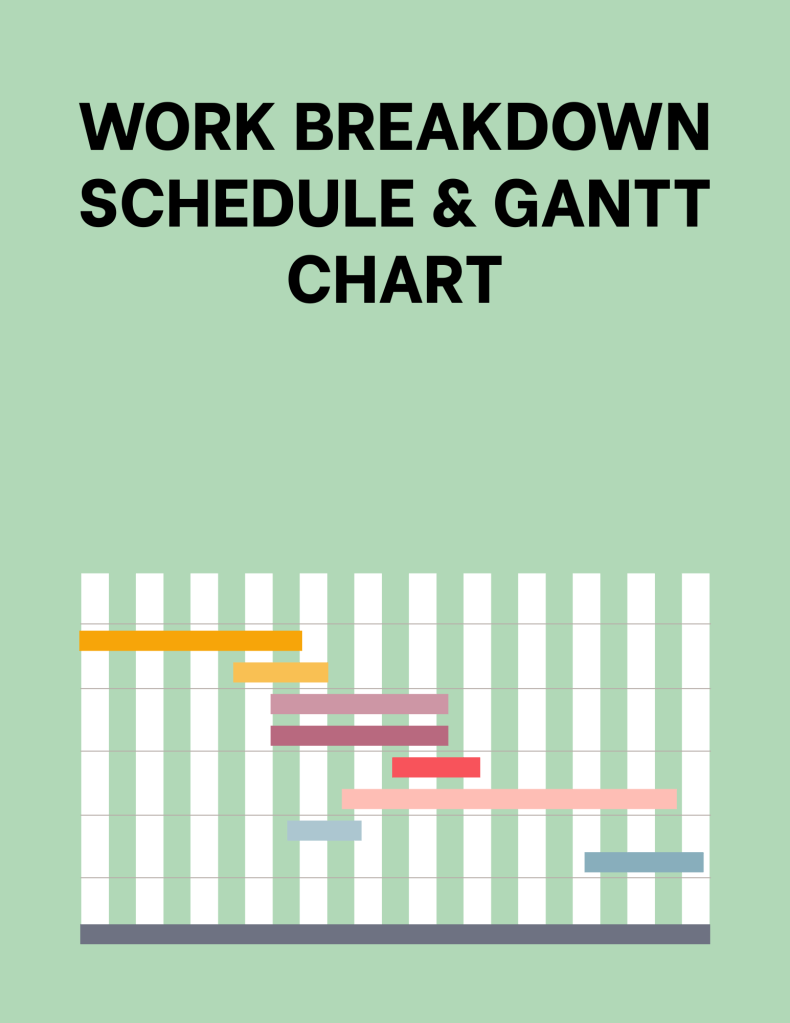
Click on the Above Image to View this Artifact
I viewed this as an exciting challenge. I consider myself a highly organized individual (I use Trello to organize every single aspect of my personal life), but looked forward to creating a plan that multiple people would rely on. I started by mapping out the full arc of the project from kickoff to delivery, breaking the work into four major phases: initiation, planning, development, and wrap-up. Each of these phases was further broken down into granular tasks with clear start and end dates, individual accountability, and check-in points that aligned with stakeholder needs. This allowed the team to see the full scope of what needed to happen, while also focusing their attention on what was directly in front of them. The GANTT chart not only clarified dependencies but helped us keep momentum across a summer project cycle where competing obligations could easily have derailed us.
Creating and maintaining the WBS and GANTT chart was a key part of how I fulfilled my responsibilities as a project manager. More importantly, perhaps, it was an pivotal opportunity for me to demonstrate the kind of management mindset that underpins strong instructional design work. I felt a constant pull between structure and flexibility which became uncomfortable at times.
The work also called for some quick decision-making. For example, when the client was slow to provide key resources, we used the WBS to triage what could move forward and what needed to be paused. We kept the overall project on track by shifting internal deadlines and reassigning tasks based on team member availability and personal skills and interests related to the task at hand.
I can confidently say that this project directly reflects my management competency as an instructional designer, not just in the administrative sense but in terms of how I approach collaborative design work with intention, transparency, and respect for the process. I felt a strong sense of identity forming as I developed these artifacts: I am an instructional designer capable of planning instructional design projects across their full lifecycle without losing sight of the big picture or the importance of maintaining relationships along the way. I am now seriously considering expanding my management skills with an additional CAPM certification from PMI, an institution I may not have discovered if not for playing this role in this particular project for which I am incredibly grateful.
⬨⬨⬨
Artifact 2: Team Communications Protocols & Log
Created for EDIT 7550E: Management of Instructional Technology Project
In my role as project manager for the ROADMAP Team, one of the first things I wanted to get sorted was our communication. Previous team experiences had taught me the importance of establishing norms and expectations around communication early on in the process, so I took it pretty seriously. We were a small team juggling multiple responsibilities, working across different schedules, working entirely remotely with no opportunities for face-to-face collaboration, and working with a client organization that had their own rhythms and expectations. To make sure we stayed aligned, I designed a communication protocol that would serve as the backbone of our collaboration for the duration of the project.
Click on the Above Image to View this Artifact
The structure I created emphasized consistency, transparency, and predictability across all our key communication channels. I used information from the Initial Team Information Survey to select the tools we would use for three different types of communication: GroupMe for primary communication, updates and ongoing discussion; Google Drive for centralized documentation; and Zoom for our meetings. Each channel had a clearly defined purpose, and the hope was that the structure would reduce the likelihood of confusion or duplicated efforts.
My approach to sending information through GroupMe followed a consistent format that became familiar and easy to rely on for everyone. Every memo was broken into four parts:
1. A greeting with the summary of what could be found in the following message and any due dates
2. A section labeled “Updates” for information that did not require action, but needed to be known by all members
3. A “Follow-Up Tasks” list with deadlines, clear instructions, and any relevant information pertaining to where to find resources for completion (such as exact location of a newly created group document in our team Drive folder)
4. A final “Next Steps” section to orient the team toward what was coming next
I received feedback from my team that this format helped them anticipate what a message from me in the chat would mean for their workload on any given day, providing reliability. It was also noted that these memos saved time, reduced mental load, and helped everyone stay accountable without requiring extra meetings. Behind the scenes, the protocol gave me a clearer sense of how to delegate, when to check in, and how to ensure each team member had what they needed to complete their work. It also supported the interpersonal side of management by building trust, encouraging participation, and making room for different working styles. To me, this is the most important aspect of a clear communication plan.
This project gave me a meaningful opportunity to practice leadership through the creation of a collaborative environment rather than just wielding authority. That mindset aligns perfectly with how I approach instructional design as a whole: it’s all about creating the conditions that allow people to learn, create, and collaborate with ease. This communication protocol reflects my ability to design not only learning experiences but the systems that support them. In that sense, this communication protocol was central to the success of the project and I am proud of the work this structure facilitated for my team.
 NBH Designs